
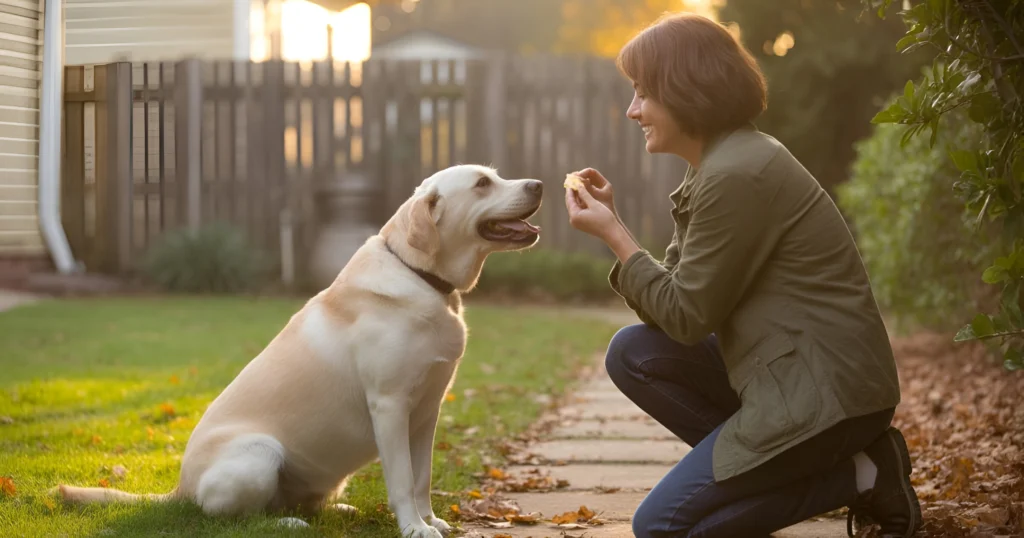
I’ll never forget the first time I tried to teach a dog to sit. It was 1994, my first Labrador named Duke — a sweet, clumsy pup with the attention span of a squirrel. I remember crouching in the yard, treat in hand, repeating “sit, sit, sit” like it was a magic spell. Duke stared at me, wagged his tail, and promptly lay down.
That day, I learned something crucial: teaching your dog to sit isn’t just about obedience — it’s about communication, patience, and trust. Whether you’re learning how to train a dog to sit or working on how to train your puppy to sit, this simple command opens the door to everything else you’ll ever teach.
Let’s walk through it together — step by step, story by story — the way I’d guide you if you were right here in my training yard, leash in hand, treat pouch on your hip, and your pup bouncing with curiosity.
What “Sit” Really Means
When you’re figuring out how to teach a dog to sit, you’re not just showing them a posture — you’re teaching them a moment of focus.
“Sit” means pause, connect, and pay attention.
It’s the canine version of saying, “Hey buddy, check in with me for a second.” Dogs don’t come wired to understand human signals — they learn them through repetition, tone, and timing.
For your dog, “sit” becomes a grounding cue — it helps them control impulses, manage excitement, and tune into your leadership. When you can get your dog to sit calmly in front of you, you’ve built a foundation for almost every other command: stay, come, heel, and even more advanced behaviors.
When I first started teaching this to clients, I used to say, “Sit is your dog’s first language lesson.” And once they understand it, everything else gets easier.
Why It Matters for Every Dog Owner
There’s a reason every good training program — from basic puppy classes to advanced obedience schools — starts with the “sit.”
Here’s why it matters:
- It builds control. Dogs that know how to sit can manage excitement — greeting guests, waiting at doors, or calming down in public.
- It improves safety. A reliable “sit” can stop your dog from bolting toward traffic or chasing after another dog.
- It strengthens your bond. Each successful sit teaches your dog to trust your cues and your calm energy.
- It creates structure. Dogs thrive on consistency. The sit command gives them clear, simple guidance in moments of chaos.
I worked with a German Shepherd named Max once — strong, smart, but impulsive. His owner couldn’t control him around strangers. The breakthrough moment? Teaching him to sit before every interaction. Within a week, Max learned that sitting calmly earned praise and freedom. That single word changed their walks, their relationship, and their peace of mind.
Step-by-Step Guide: How to Teach a Dog to Sit
Let’s get practical. Whether you’re learning how to train a dog to sit or how to train your puppy to sit, this method works for both.
Step 1: Get Your Tools Ready
You’ll need:
- A handful of small, soft treats (pea-sized)
- A quiet space with minimal distractions
- A calm, patient mindset
Step 2: Use Lure-and-Reward
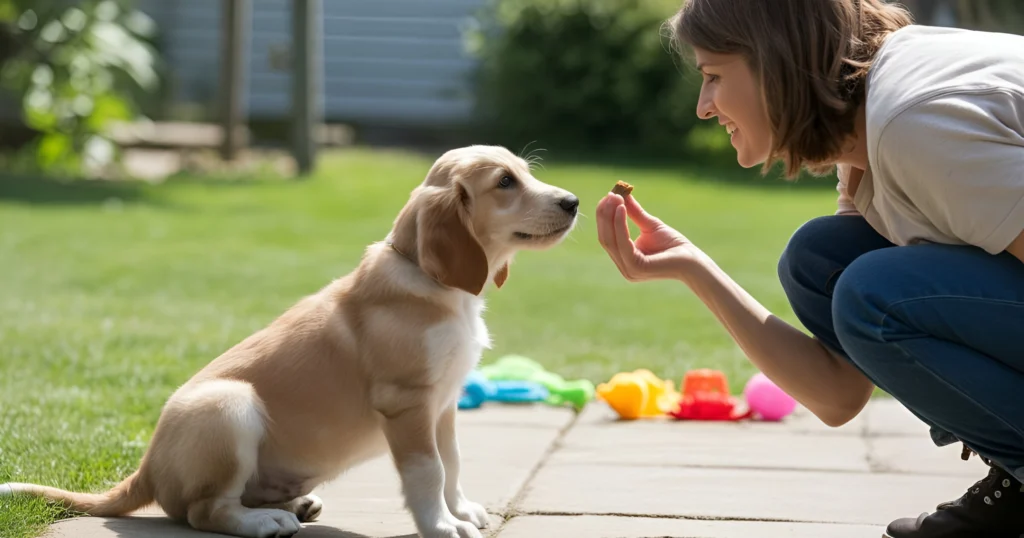
- Hold a treat close to your dog’s nose.
- Slowly move your hand upward. As their nose follows, their rear naturally lowers.
- The moment they sit — say “Yes!” or “Good sit!” and give the treat.
- Repeat 5–6 times, keeping it positive and short (2–3 minutes max).
When I first trained a beagle named Charlie, he’d get so excited he’d jump instead of sitting. I learned to slow my hand down — almost in slow motion — and keep the treat closer to his nose. Once he realized sitting got him the reward faster, he started offering the sit on his own.
Step 3: Add the Cue Word
Once your dog starts following the motion consistently, introduce the word “Sit” right before they move into position. Say it calmly, not like a drill sergeant.
Example:
- “Sit” → lure upward → dog sits → “Yes!” + treat
After 15–20 repetitions, your dog starts linking the sound to the action.
Step 4: Fade the Lure
Now, don’t get stuck in treat land forever. Start phasing it out:
- Use hand motion only, reward every second or third sit.
- Gradually reduce food rewards and increase verbal praise or petting.
Step 5: Practice in Real-Life Situations
Train in short bursts throughout the day:
- Before meals (“Sit.”)
- At doors (“Sit before we go out.”)
- During play breaks (“Sit, then throw the toy.”)
Consistency is everything. Every repetition reinforces trust and focus.
Motivation Tips for Stubborn Dogs
Every trainer’s met that one dog who looks at you like, “Nope. Not doing that.”
If your dog’s a bit stubborn, don’t panic. It’s not disobedience — it’s confusion, distraction, or sometimes personality. Here’s how to motivate them:
- Keep sessions short. Two minutes of focus beats ten minutes of frustration.
- Use your voice warmly. A cheerful “Yes!” beats a stern “Sit!” every time.
- Switch rewards. Some dogs prefer toys or praise over treats. Experiment.
- Work in calm energy. If you’re tense or impatient, your dog senses it.
- End on success. Always finish a session with something your dog does well.
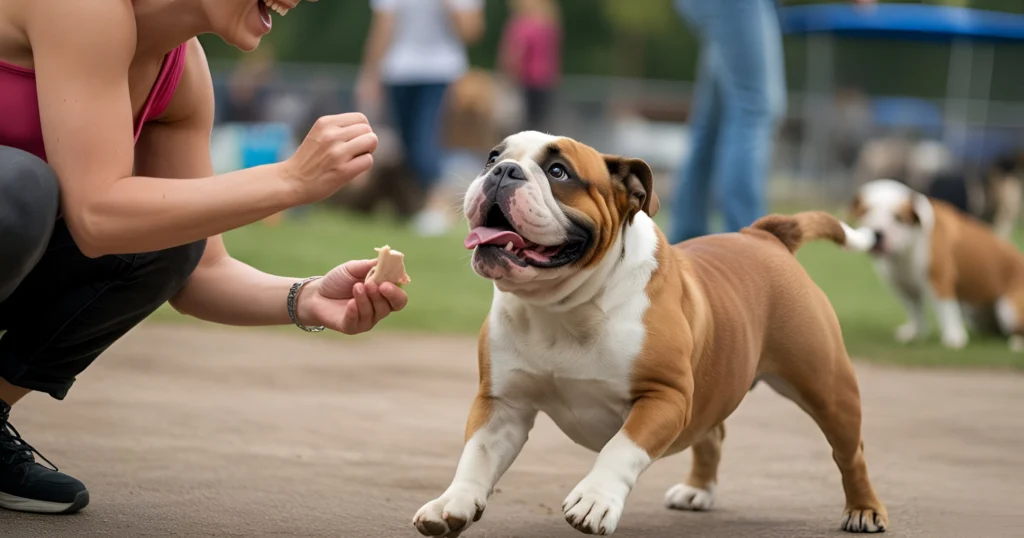
I once trained a bulldog named Rosie who would just stare at me during sit lessons. No movement. No interest. The trick? I switched from dry kibble to tiny bits of turkey — and I added a little “good girl” dance every time she got it right. Within a week, she was sitting faster than most Labradors.
Sometimes motivation isn’t about discipline — it’s about joy.
Advanced Challenges for Experienced Owners
If you’ve already mastered the basics, you might be ready to refine how to teach a dog to sit and stay — building duration, distance, and distraction control.
Here’s how to step it up:
| Challenge | Training Focus | Trainer Tip |
| Dog breaks the sit early | Work on duration | Count to 5 before rewarding, slowly extend time. |
| Dog won’t sit at a distance | Work on distance cues | Step back one foot at a time, reward for staying seated. |
| Dog ignores sit when distracted | Practice focus | Train in busier environments with higher-value treats. |
| Dog sits crooked or sideways | Refine body alignment | Use a wall or leg as a guide for straighter posture. |
I remember training a Border Collie named Scout for competition work. He’d sit instantly but break the moment I looked away. I learned to practice “invisible focus” — turning slightly, rewarding only if he stayed put. Within days, he held perfect sits even with distractions like bouncing tennis balls.
Advanced training isn’t about perfection — it’s about calm focus and reliable communication.
Common Mistakes and How to Fix Them
Even experienced owners fall into these traps. Here’s what to watch for when learning how to teach a dog to sit:
1. Repeating the Command Too Much
Saying “sit, sit, sit!” just teaches your dog to wait until the third time. Instead, say it once, then pause. If they don’t respond, guide them gently with a lure.
2. Poor Timing with Rewards
If you reward too late, your dog won’t connect the behavior. Aim to mark the moment their butt hits the ground — then treat.
3. Training When They’re Overstimulated
A hyper dog can’t learn well. Choose calm times, or do a short walk first.
4. Lack of Consistency
If you sometimes allow jumping during greetings but other times demand “sit,” your dog will get confused. Consistency = clarity.
5. Expecting Too Much Too Soon
Puppies especially need repetition. Be patient — they’re babies learning a new language.
Emotional Benefits and Communication
Here’s the part most trainers don’t talk about: teaching “sit” changes you, not just your dog.
When you teach your dog to sit, you’re teaching mutual respect and emotional regulation. You’re saying, “I see you, I’ll guide you, and we can calm down together.”
It’s powerful.
I’ve watched anxious owners grow more confident through training. I’ve seen reactive dogs become gentle companions because “sit” became their anchor.
One of my favorite memories is from a woman named Dana who adopted a shelter pit mix named Milo. He’d been through trauma — skittish, untrusting. The first time he sat on cue, Dana cried. Not because of obedience, but because it was the first moment Milo chose to trust.
That’s what training really is — a language of connection, not control.
So when you’re teaching your dog to sit, take a breath. Smile. Let it be more than a command — let it be communication.
FAQ
1. How long does it take to teach a dog to sit?
Most dogs learn the basic motion within a few sessions, but reliability comes with practice. Puppies might need a week; adult dogs sometimes just a few days.
2. What if my dog ignores treats?
Try higher-value rewards (chicken, cheese) or switch to toys and praise. Some dogs are driven more by fun than food.
3. Should I use a clicker?
Yes — clickers can help mark the exact moment of success. Say “Yes!” or use a clicker right as your dog sits, then reward.
4. Is it harder to teach older dogs?
Not at all. Older dogs might take longer to focus, but they’re often calmer and eager to please. Patience wins.
5. How do I teach my puppy to sit without treats?
You can fade treats over time — replace them with praise, petting, or play. But in the beginning, treats are the fastest way to communicate “Yes, that’s right!”
6. What’s the difference between “sit” and “sit-stay”?
“Sit” means lower your rear. “Sit-stay” adds duration — don’t move until released. Train them separately, then combine.
7. My dog sits at home but not in public. Why?
That’s distraction training. Practice in gradually busier places — yard, sidewalk, park — rewarding calm focus in each new setting.
Final Thoughts & Key Takeaways
When people ask me how to teach a dog to sit, I always smile — because it’s so much more than obedience. It’s the first real conversation you and your dog ever have.
It’s where your bond begins.
If you remember nothing else, remember this:
- Sit is about focus, not force.
- Patience beats perfection.
- Joy fuels learning.
Start small. Celebrate every success. Be kind when your dog struggles.
When I first trained my Labrador Duke, I didn’t know what I was doing — but I learned fast that dogs don’t need us to be perfect trainers. They need us to be patient communicators.
So grab a handful of treats, find a quiet spot, and start your first lesson. Look your dog in the eyes, smile, and say calmly, “Sit.”
The moment they lower their little body and look up at you — tail wagging, eyes bright — you’ll realize something beautiful: you’re not just training your dog.
You’re building a partnership for life.